Weekly · World Stock Push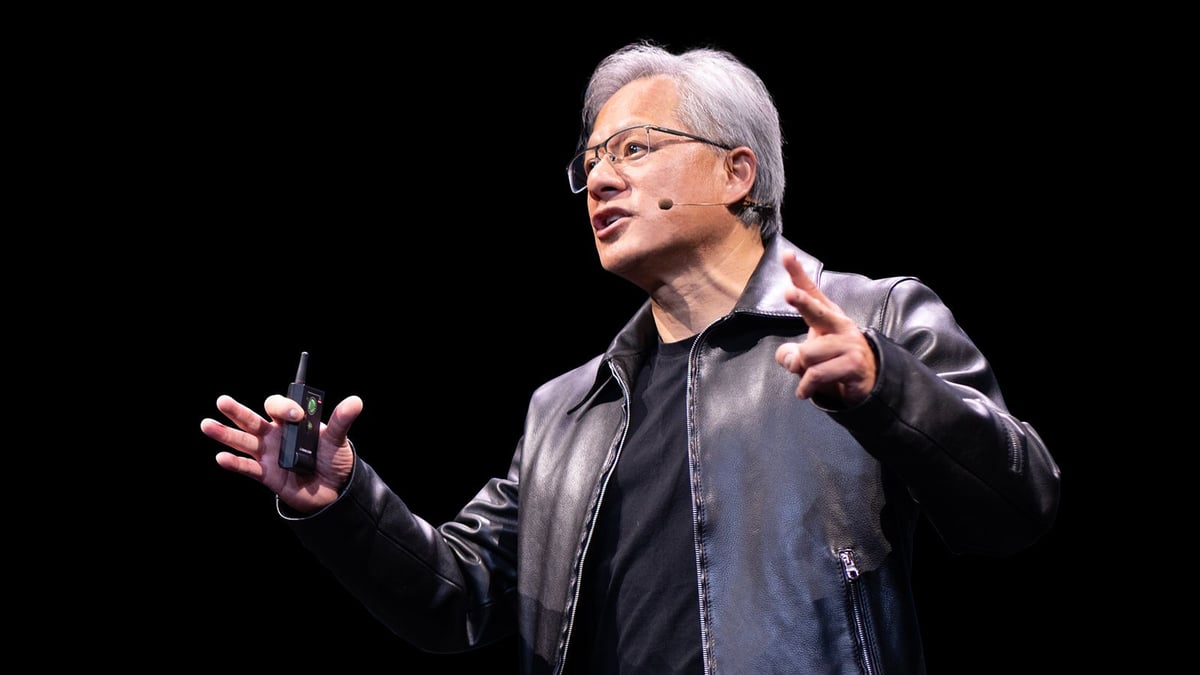
During Nvidia’s second-quarter earnings call, Jensen Huang used the word "visibility" only once. He did not engage extensively with skeptical analysts about the durability of the AI build-out. Instead, he highlighted Nvidia’s expanded reach into wafers, memory, optics, land, power, and facilities, emphasizing its ability to plan ahead for the next wave of AI systems. This single word, amid record results and supply constraints, underscores a more meaningful narrative than the AI bubble commentary that has persisted for over a year.
The AI bubble narrative stems from concerns about circular financing, stretched balance sheets, and fears that demand is artificially inflated by companies selling the tools they use to generate revenue. Critics compare this to the late 1990s fiber optic infrastructure boom, where installed capacity outpaced profitable use. Skeptics also point to growing custom silicon markets and negative free cash flow trends at major AI spenders, suggesting Nvidia’s moat is eroding if hyperscalers like Amazon, Alphabet, Microsoft, and Meta design their own AI accelerators.
However, this logic is incomplete. Nvidia is not merely a chip vendor; it is organizing the entire factory that produces artificial intelligence. Huang explained that by collaborating with land, power, and shell companies globally, Nvidia secures long-term visibility into computing needs, enabling it to forecast 70% revenue growth for fiscal 2028 despite historical reluctance to do so. This confidence stems from a $800 billion capital expenditure plan by the top five hyperscalers in 2026 and a $2 trillion cloud backlog, signaling real demand rather than speculative marketing.
Nvidia’s strategy extends beyond chips to building full-stack AI factories, integrating CPUs, GPUs, networking, software, and physical infrastructure. Its partnerships with Marvell Technology, Nokia, and Coherent provide visibility into networking, photonics, and telecommunications demand, giving Nvidia a competitive edge over pure-play GPU designers. This upstream position allows Nvidia to redesign architectures, secure supply agreements, and set customer expectations before shortages arise.
The takeaway is that while AI spending may have cyclical margins due to memory inflation, the demand is secular and already booked across land, megawatts, and critical components. For long-term investors, Nvidia’s position in the AI infrastructure era makes it a compelling investment opportunity.
Source: The Motley Fool