Weekly · World Stock Push
Inflation increased to a five-month-high last month on the back of rising fuel prices and air fares, mounting more pressure on the Government to ease cost-of-living concerns for UK households. The official data comes amid warnings from economists that inflation will continue to swing higher over the coming months, with increases in interest rates also predicted. Surging fuel prices helped drive UK inflation higher again last month, according to official figures.
The Office for National Statistics said Consumer Prices Index inflation increased to 3.1% in August, compared with 2.9% in July. Households are also expected to face another rise in their energy bills from next month, adding to pressure on consumer finances ahead of the autumn Budget. Chancellor John Healey stressed that the UK economy is nonetheless “proving resilient” as he blamed the war in Middle East for the inflation increase.
The Office for National Statistics (ONS) said Consumer Prices Index (CPI) inflation increased to 3.1% in August, compared with 2.9% in July. It was in line with predictions from economists and points to an upward trajectory for inflation since striking a 15-month-low of 2.6% in June. It therefore moved further away from the Bank of England’s 2% inflation target, ahead of the central bank’s latest interest rate decision on Thursday.
Many economists have suggested the Bank is still likely to keep interest rates – which help dictate mortgage and loan rates – at 3.75% but that hikes are likely in future months. ONS chief economist Grant Fitzner said: “Sharp price rises for petrol and diesel pushed inflation up again in August. “Higher airfares, particularly for long-haul journeys, also contributed to the increase.” Motor fuels contributed significantly to the rise in inflation, after the average price of petrol rose by 9.1 pence per litre between July and August, to an average of 161.3 pence per litre.
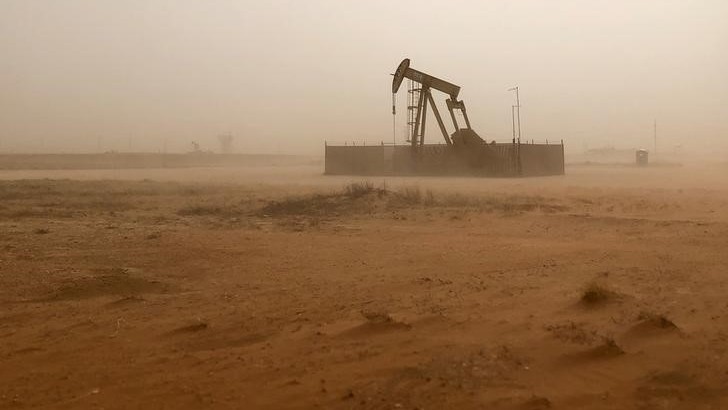
The price of diesel rose by 14.2 pence per litre to an average of 181.8 pence per litre for the month. The jump in fuel costs highlights the early impact of the breakdown of the US-Iran ceasefire in July, which led to a fresh uptick in oil and gas prices. Elsewhere in the transport sector, the latest figures also showed a 6.2% increase in airfares for the month after an increase in the cost of long-haul flights.
Meanwhile, food and drink inflation remained steady at 1.3% despite warnings that it could be pushed higher by rising energy costs. Chancellor John Healey said: “The war in the Middle East is impacting on inflation worldwide, not just here at home, in our bills, our weekly shop and at the petrol pumps. “We have taken early action to help give families and businesses breathing space, by cutting tax on electricity bills, capping bus fares at £2 and lowering rates for pubs, social clubs and live music venues.
“Despite this serious global uncertainty, our UK economy is proving resilient, and our determination to deliver growth in every postcode continues.” Households are expected to face further pressure from rising bills, with experts at Cornwall Insight predicting a 4% increase to bills from October 1, with an even sharper rise predicted in January. Thomas Pugh, chief economist at RSM UK, said: “The rise in inflation in August is just the start of a new upward trend as higher energy, food and memory chip prices continue to make their way through supply chains. “We now see inflation peaking at almost 4% in early 2027, before gradually dropping back to 2% in 2028.” Martin Sartorius, lead economist at the CBI (Confederation of British Industry), said: “Given the limited signs of a pick-up in domestic price pressures, the Bank of England’s Monetary Policy Committee is likely to keep interest rates unchanged at its next meeting.
“However, the renewed rise in energy prices means that the committee will be increasingly alert to the risk of these costs feeding through to persistently elevated inflation.” The data also showed that Consumer Price Index including Housing (CPIH), the ONS’s preferred measure of inflation, rose to 3.3% for August from 3.1% last month. Meanwhile, Retail Prices Index (RPI) inflation rose to 3.4% from 3.2% in July.
Source: The Independent