Weekly · World Stock Push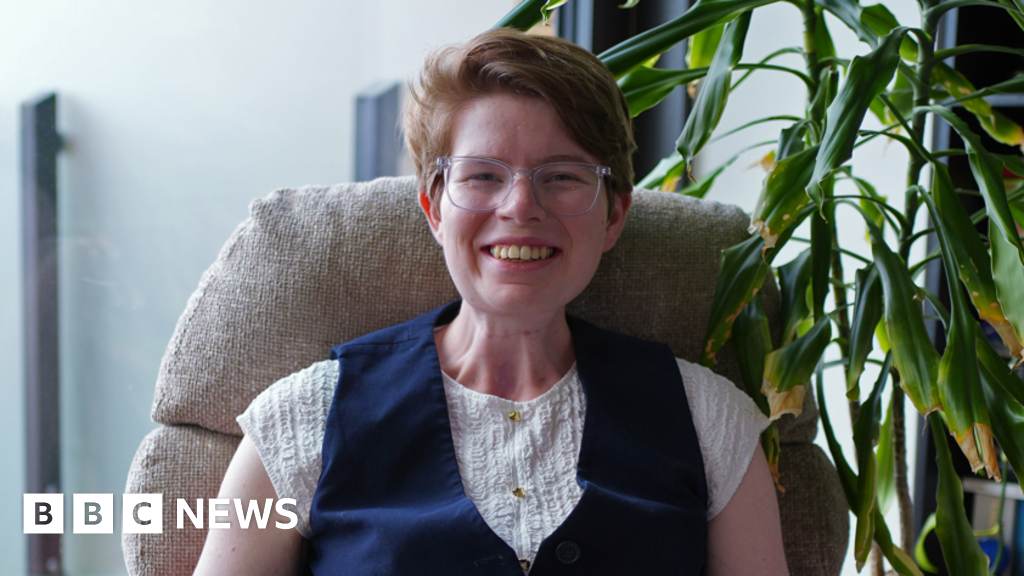
33 minutes ago PA Dr Imogen Brooks was just 26 when she was diagnosed with a squamous cell carcinoma, the most common type of head and neck cancer A doctor who lost most of her tongue during cancer treatment has been fitted with what is believed to be the first prosthetic of its kind to be made on the NHS. Imogen Brooks, from Newham, east London, had most of her tongue removed and reconstructed when she was 26 after being diagnosed with head and neck cancer. Radiotherapy shrank the remaining tissue, which affected her speech.
After researching prosthetic tongues, Brooks asked clinicians at Guy's and St Thomas' NHS Foundation Trust whether she could be a candidate. Michael Brown, a dental technician at the hospital, said: "We'd never made something like this before, but our team loves a challenge." Brooks previously relied on speech assistance technology for phone calls and said acquaintances and former colleagues would avoid talking to her in person. "It was so, so common for people to just smile and even not respond and make up in their head what I had said," she said, adding that strangers had previously looked at her "in fear" when she spoke for the first time.
Misunderstandings could lead to incorrect information during medical appointments and problems at work, which she said was "really frustrating". When she first asked about a prosthetic, she said the request "was like assembling the Avengers". "At my next appointment there were eight people in the room – everyone was willing to try," she added.
PA The custom-made silicone tongue is held on a metal frame that clips onto Brooks' bottom teeth Carolyn Doughty, a specialist speech and language therapist at the trust, brought together doctors and laboratory technicians to create the prosthetic, tailoring it to Brooks' mouth and speech. The team made a metal frame that clips onto her lower teeth and supports a silicone tongue made specifically for her. "We based the design on a shape which would allow Imogen to make the maximum number of sounds," said Brown.
He said there was a lot of trial and error, with Brooks taking designs home to try before returning with notes and suggestions for improvements. After presenting the findings at conferences in the UK, Doughty believes it is the first time a prosthetic of its kind has been made on the NHS. PA Brooks can now speak more easily with the help of the prosthetic tongue Brooks noticed improvements in her speech after just three days.
It took about two weeks to get used to the prosthetic. "What I really notice is how much more willing people are to listen to me, how much less difficulty they have understanding me, and when they have difficulties, how much more willing they are to ask me to repeat myself," she said. The prosthetic has also made conversations with her grandmother, who is hard of hearing, easier.
Brooks said she had found it "very upsetting" struggling to speak with her and was often "using very big hand gestures" or writing things down. After trying the prosthetic, her grandmother told her it was the first time she "didn't need hand gestures as much because she was able to follow me a lot better". More on this story Related internet links
Source: BBC