Weekly · World Stock Push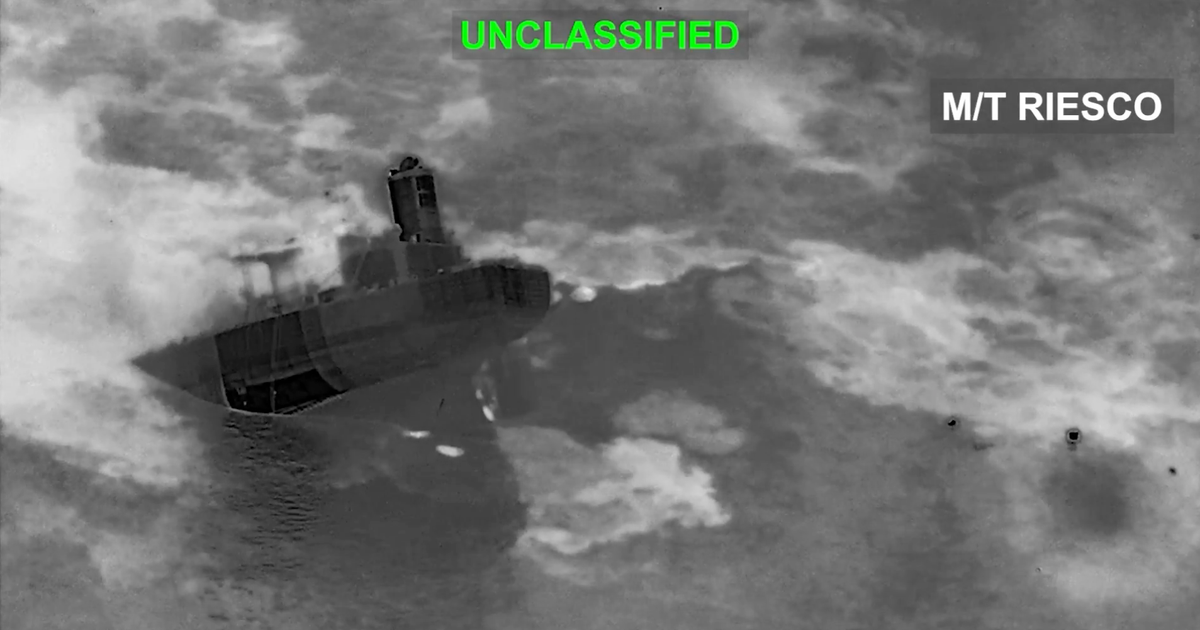
Jordan said Wednesday its military intercepted 18 Iranian missiles and reported no casualties. Iran's state-run media said Tehran had targeted U.S. assets in the region in retaliation for American attacks on its oil tankers. The U.S. military's Central Command said Tuesday night it had destroyed 5 Iranian oil tankers in response to recent attempts to attack U.S. warships with ballistic missiles. Four of the tankers were struck in the Gulf of Oman, and a fifth was hit near Kharg Island, an island in the Persian Gulf serving as Iran's primary terminal for crude oil exports. The strikes were part of Iran's shadow fleet, used to export oil and generate revenue for the regime. The U.S. directed crews to abandon the ships before they were rendered inoperable.
Meanwhile, Iran-backed Houthi group reports over 30 strikes across Yemen, following Saudi airstrikes that injured dozens. Deadly fighting reignited in Yemen last week, with Houthis launching a major campaign to seize territory near the Bab al-Mandab strait, a critical oil route. Since Iran effectively closed the Strait of Hormuz, Gulf oil exports have plummeted, with only limited recovery periods.
Iran launched missiles toward U.S. targets in Jordan, state media said, marking the latest tit-for-tat retaliation after the U.S. destroyed five Iranian oil tankers following two attacks on a U.S. warship by Iran's Revolutionary Guard. Jordan's military intercepted 18 missiles, with two falling in non-populated areas. Jordan is a U.S. ally hosting American forces, making its bases a frequent target.
The price of oil was trading at around $99 per barrel on Wednesday, continuing an upward trend since August. Brent crude, the international benchmark, was also over $99, while U.S. crude rose 1.2% to $94.17 a barrel. Before the war began in February, a fifth of the world's oil flowed through the Strait of Hormuz, but since then, traffic has significantly decreased.
Source: CBS News